
STUNT GRADINGS
STUNT ACTOR PROVISIONAL (SAP)
>>
STUNT ACTOR
>>
ASSISTANT STUNT COORDINATOR
>>
STUNT COORDINATOR
>>
STUNT ACTOR PROVISIONAL (SAP) >> STUNT ACTOR >> ASSISTANT STUNT COORDINATOR >> STUNT COORDINATOR >>
-
STUNT TRAINEE
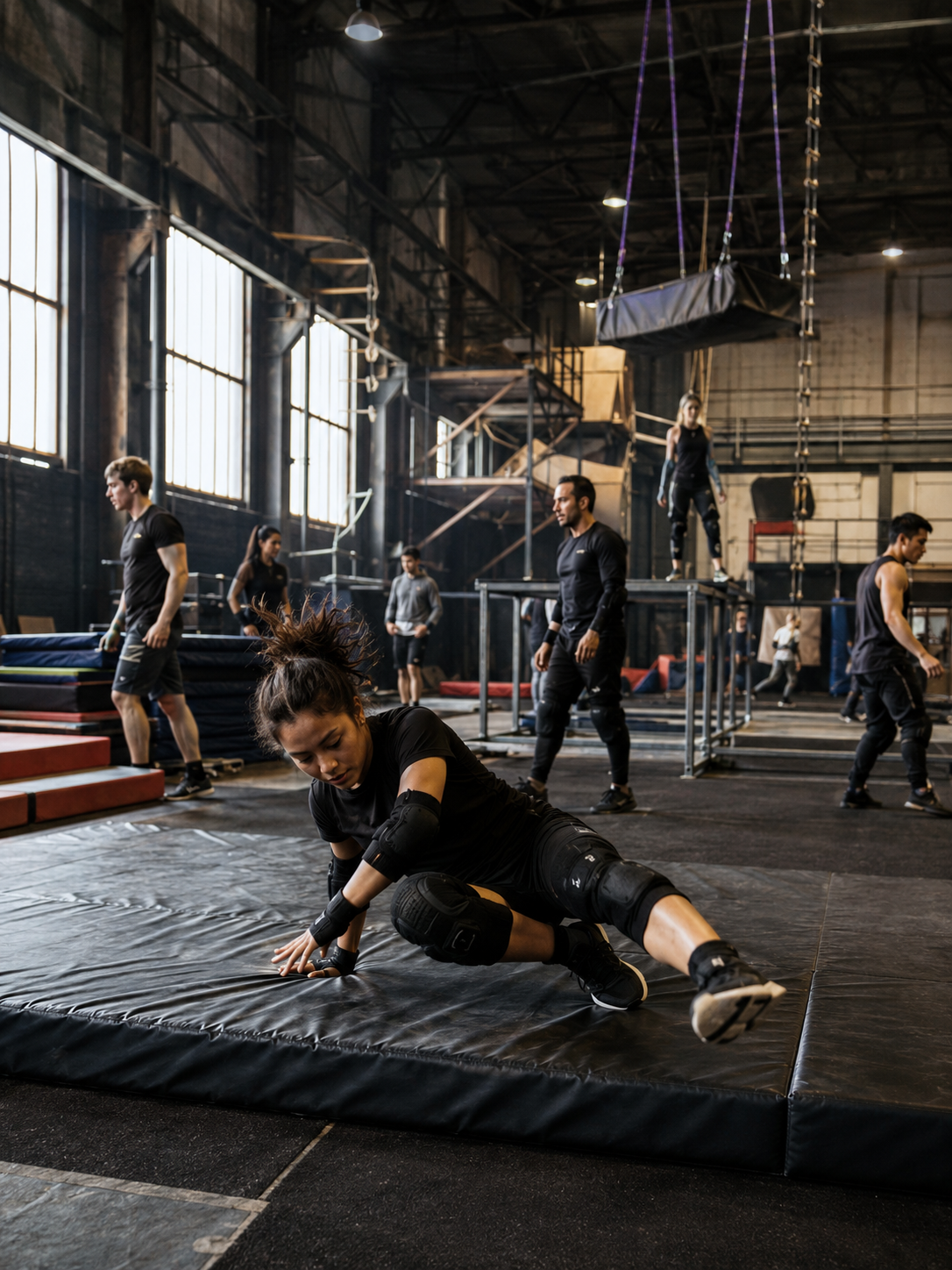
The Stunt Trainee classification is the recognised entry point into the MEAA National Stunt Grading Procedure and marks the commencement of a candidate's formal training pathway. Individuals at this level are NOT graded Stunt Performers and are not eligible to undertake Stunt performance work unless a specific dispensation has been granted.
To be eligible for assessment as a Stunt Actor Provisional (SAP), trainees must complete a minimum of six (6) months of structured training at a recognised Stunt training venue under the direct supervision of a MEAA Stunt Coordinator. A logbook must be maintained throughout this period, including a minimum of 52 hours of general stunt training verified and signed by the supervising Coordinator. Training completed without a MEAA Stunt Coordinator will not be recognised towards grading.
Applicants must also demonstrate competency in heights, water, vehicles, animals and body control, supported by a current stunt showreel and two written recommendations, including one from an MEAA Stunt Coordinator and one from a graded Stunt Action Person or higher. Once all requirements have been satisfied, an application for SAP grading may be submitted.
Application information and forms are available via the MEAA Stunt Grading website.
-
STUNT ACTOR PROVISIONAL (SAP)
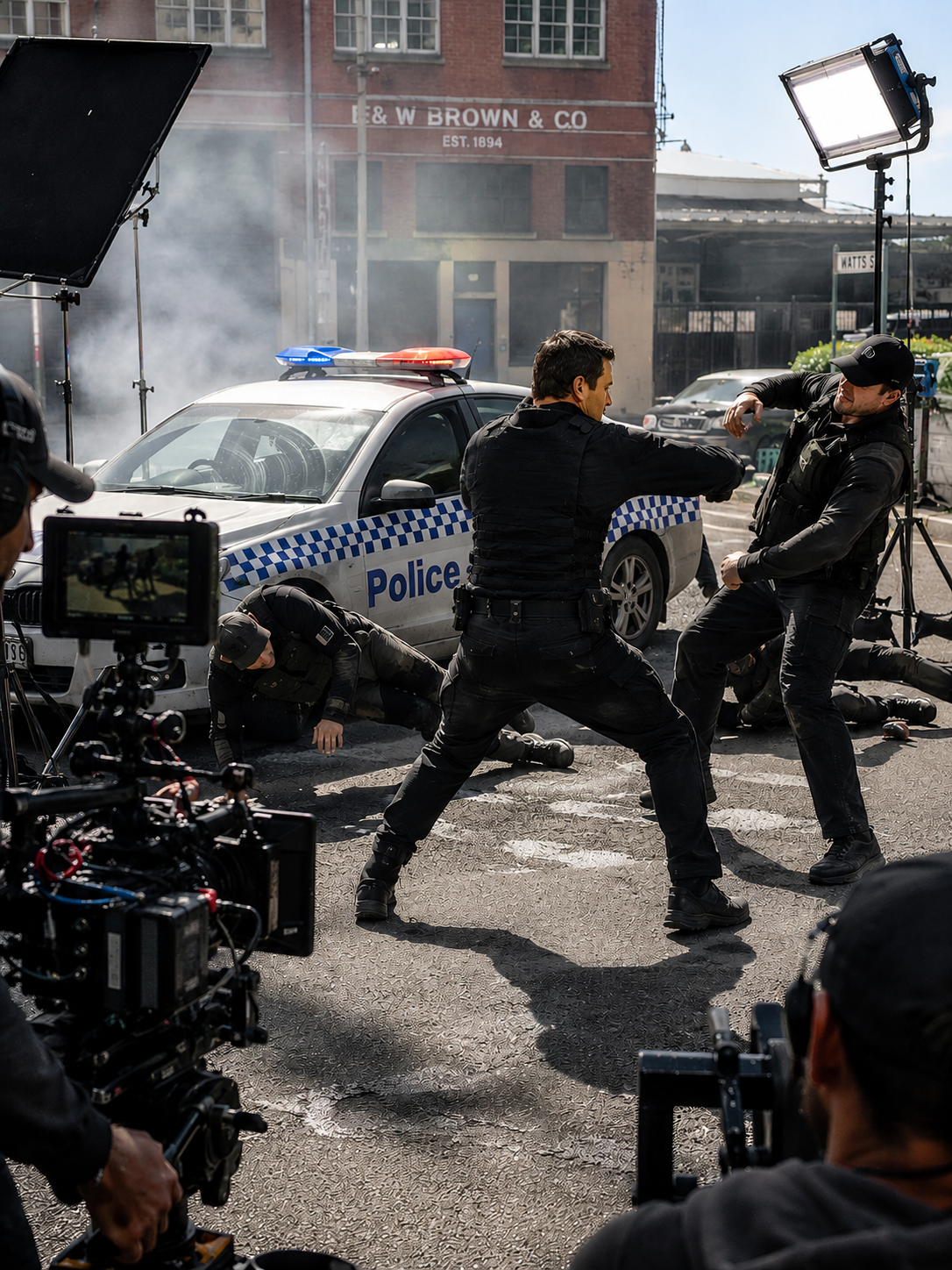
A Stunt Actor – Provisional (SAP) is a MEAA-graded Stunt performer who has demonstrated the competency required to perform background action under the supervision of a MEAA-graded Stunt Coordinator.
This grading represents the apprenticeship stage of a Stunt performer's career, where practical skills are developed both on set and through continued training. SAPs are encouraged to gain a thorough understanding of on-set procedures, professional conduct, production protocols, contracts, and administrative responsibilities while building strong working relationships within the industry.
SAPs are typically engaged to perform BG Stunt action, including fights, falls, driving sequences, crowd action and sometimes Stunt doubling where the role does not involve mainline Stunt action.
After a minimum of twelve (12) months as a SAP, performers may be eligible to apply for Stunt Actor grading.
SAP applicants must have worked on at least five (5) productions across a variety of production types and completed a minimum of fifty (50) verified on-camera stunt days under at least three (3) different MEAA-recognised Stunt Coordinators.
-
STUNT ACTOR
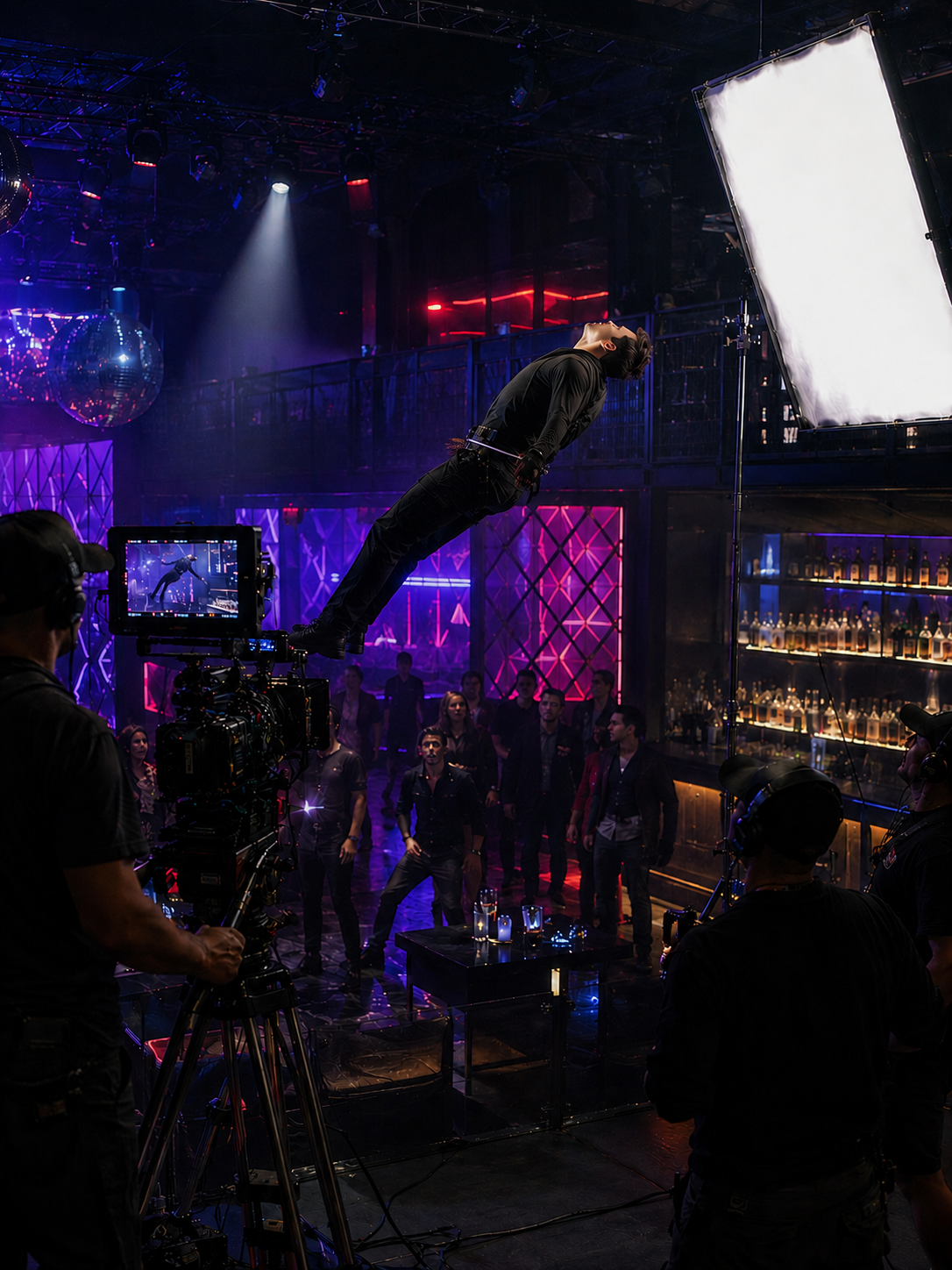
The Stunt Actor classification represents full grading within the MEAA National Stunt Grading Scheme. At this level, performers have demonstrated the experience, competency and professionalism required to undertake the full range of stunt performance duties appropriate to their individual skill sets, including lead stunt doubling, featured stunt roles and mainline stunt action.
Progression to Stunt Actor requires applicants to demonstrate continued professional development and advanced competency across all recognised stunt disciplines. Assessment by the National Stunt Grading Committee considers the applicant's experience, technical ability, safety awareness and ongoing commitment to maintaining and expanding their skills.
Upon achieving this grading, performers are eligible to undertake the Fire category and may perform high falls exceeding 4.5 metres where appropriately trained and engaged.
Stunt Actors are not eligible to perform the duties of an Assistant Stunt Coordinator. However, after a minimum of six (6) years' experience as a graded performer, at least 200 verified on-camera stunt days, and successful completion of a Certificate IV in Work Health and Safety (or recognised equivalent), they may apply for assessment as an Assistant Stunt Coordinator.
-
ASSISTANT STUNT COORDINATOR
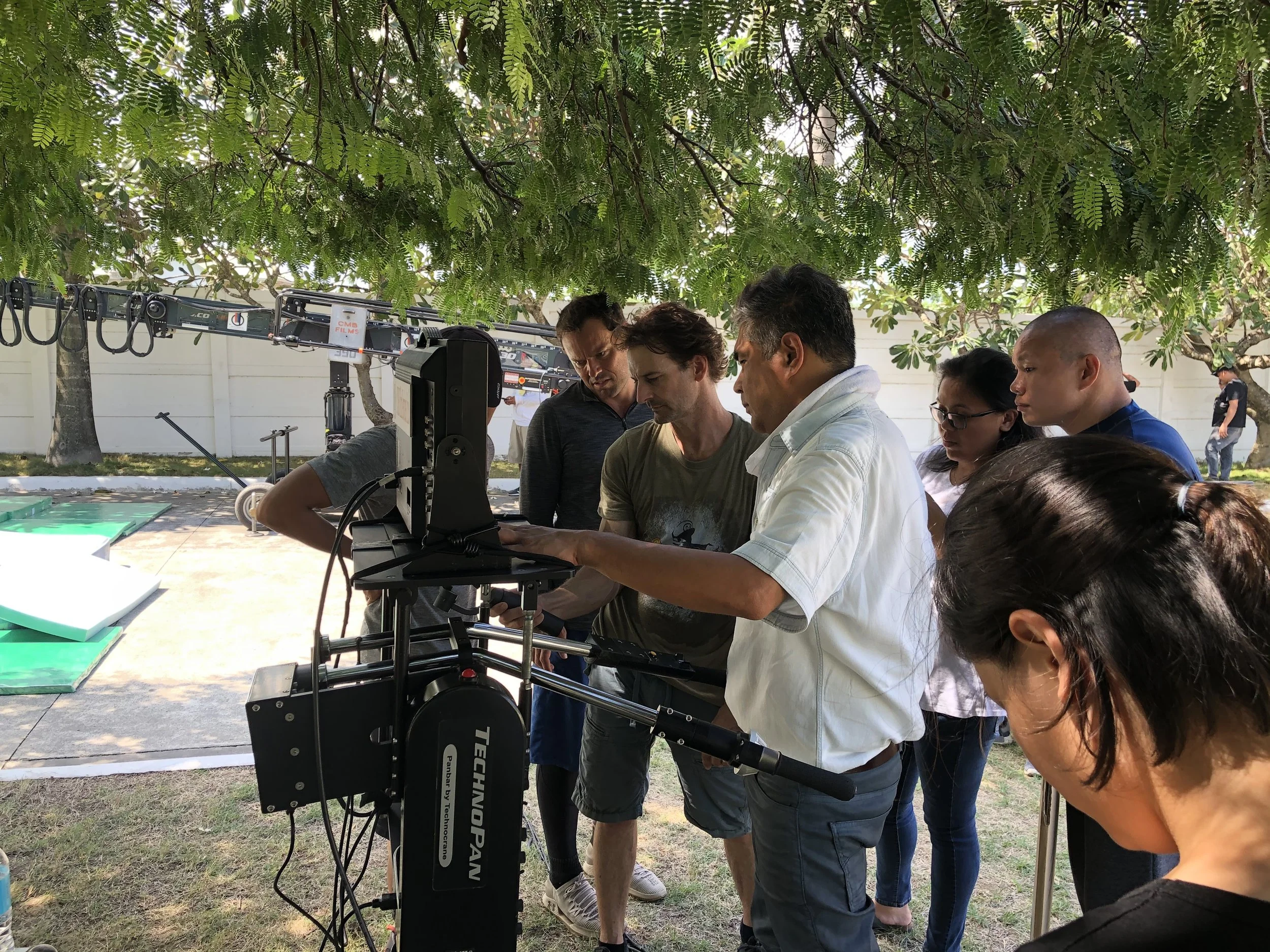
The Assistant Stunt Coordinator is an experienced MEAA-graded professional who supports the planning, coordination and delivery of stunt sequences under the direct supervision of a recognised MEAA Stunt Coordinator. This grading represents the transition from Stunt performance to Stunt management, requiring a high level of organisational ability, leadership and production knowledge.
Assistant Stunt Coordinators are responsible for coordinating stunt performers, assisting with rehearsals and pre-visualisation, preparing stunt budgets and script breakdowns, supporting casting, and managing departmental administration. Duties may also include preparing risk assessments, dispensation requests, production documentation and acting as the primary communication link between the Stunt department, performers and production personnel. Depending on the production, an Assistant Stunt Coordinator may also undertake Stunt performance duties where appropriate.
Assistant Stunt Coordinators are not permitted to coordinate productions independently and must work under the supervision of a recognised MEAA Stunt Coordinator. To be eligible for assessment as a Stunt Coordinator, applicants must complete a minimum of 150 days as an Assistant Stunt Coordinator and hold both a Certificate IV in Work Health and Safety and a Certificate IV in Training and Assessment (or recognised equivalent qualifications).
-
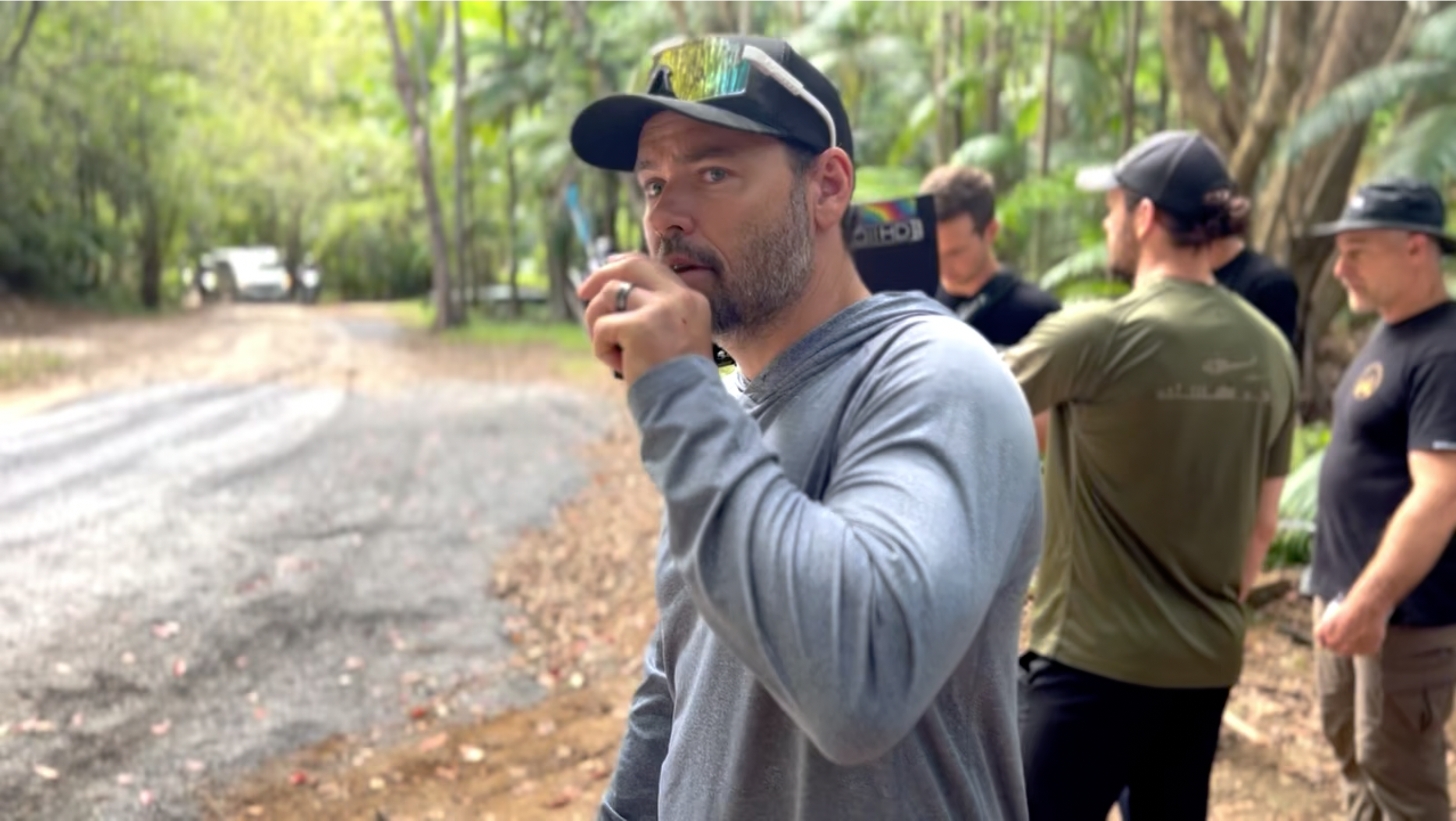
STUNT COORDINATOR
The Stunt Coordinator is the highest grading within the MEAA National Stunt Grading Scheme and represents the culmination of extensive industry experience, leadership and professional achievement. Typically attained after more than a decade of progression through the grading pathway, this classification authorises the coordination of stunt action across all forms of screen production.
Stunt Coordinators are responsible for designing, budgeting and delivering all aspects of stunt action from script development through to on-set execution. Working closely with directors, producers, writers, production managers and, where required, studio representatives, they develop action sequences that achieve the creative vision while maintaining the highest standards of safety.
Responsibilities include script breakdowns, location surveys, production meetings, risk management, performer selection, rehearsal planning and supervision of the stunt department.
The Stunt Coordinator has overall responsibility for the safe planning and execution of stunt work and for the welfare of stunt performers engaged on the production. They lead and manage the stunt team, ensuring all action is performed professionally, efficiently and in accordance with MEAA standards and industry best practice.